
I dedicate a significant amount of time evaluating online casinos on a smartphone, and VipLuck Casino drew my notice because it was clearly built with handheld devices in mind vipluckcasinoo.ca. The first time I loaded the site on my phone, I observed how swiftly the homepage elements reconfigured to match the screen. There was no awkward pinching or zooming, and the menu collapsed into a simple icon that I could tap with my thumb. For Canadian players who wish to spin slots or play table games during a trip or while waiting in line, that prompt sense of ease is important. I chose to examine every corner of the mobile experience, from registration to cashout, and record what I found without any exaggeration or marketing fluff.
How effectively the Mobile Platform Functions on Canadian Networks
I tested the mobile version of VipLuck Casino on three major Canadian carriers using both 4G and 5G connections across Ontario and British Columbia. The loading times stayed consistent at around two to three seconds for the main lobby, even when I was in areas with only two bars of signal. The platform uses a progressive web application architecture that does not require constant high-speed data, which is a practical advantage when you are moving through zones with patchy coverage. I also noticed that the site cached certain elements intelligently, so returning to a game I had played earlier in the day did not cause a full reload. That kind of data efficiency can save a noticeable amount on a capped mobile plan.
Latency during live dealer games was another factor I evaluated carefully. On a stable 5G connection, the video stream from the blackjack and roulette tables appeared crisp, and the audio kept in sync with the dealer’s hand movements. When I deliberately switched to a slower 4G connection in a basement apartment, the stream automatically reduced its resolution without buffering interruptions. I never missed a bet due to a dropped connection because the platform keeps your seat for a reasonable grace period. For a Canadian player who might be gaming from a train or a remote cottage, this adaptive streaming behaviour inspires genuine confidence in the mobile infrastructure.
Receiving the Welcome Bonus from a Mobile Phone
I created a brand new account completely on my phone to see if the registration promotion created any mobile-specific hurdles. The sign-up form broke the process into three short screens, each asking for only a few fields, so I never had to complete a long page while battling autocorrect. After confirming my email, the deposit bonus showed up as a visible banner at the top of the cashier section. I tapped it, read the terms that expanded in an overlay without sending me, and activated with a single checkbox. The bonus funds arrived in my account right away alongside my first Interac deposit, and the playthrough progress bar became displayed right inside my account dashboard.
What I liked most was that the bonus terms were presented in simple language and arranged with proper line spacing for mobile reading. The minimum deposit, game weighting percentages, and time limits were all detailed in a bullet-free layout that my phone rendered without horizontal scrolling. I also noticed that the platform automatically stopped me from playing prohibited games while an current bonus was in place, greying out those titles and displaying a small lock icon. That small detail protected me from accidentally forfeiting the promotion, which can occur easily on a smaller screen where you might select the wrong game tile.
Transaction Methods That Function Without a Hitch on Mobile
I added and cashed out funds solely through my phone to evaluate how the cashier interface processed sensitive transactions. Interac e-Transfer presented itself as the best option for Canadian players, and the integration seemed native to the mobile browser. After choosing my deposit amount, the site directed me to my banking app through a secure tokenized session. I completed the transfer with my fingerprint sensor, and the funds appeared in my VipLuck balance before I could close the banking app. The entire flow lasted under forty seconds, and I obtained an automated confirmation email that I could save without printing anything.
Withdrawals were just as streamlined. I filed a payout request via Interac on a Tuesday afternoon, and the verification team requested for my documents through an in-app upload feature that enabled me to snap photos of my ID and utility bill with my phone’s camera. The images cropped and uploaded automatically, and my account was verified within six hours. The funds landed in my bank account the next morning. I also checked a smaller withdrawal using a prepaid voucher and found the redemption process identical to the desktop version, with a simple code entry field that my phone’s keyboard managed without switching to a numeric pad unexpectedly.
Support Availability for Smartphone Users
I tried the live chat service while commuting by bus with a unstable data connection. The chat bubble was positioned at the bottom right corner without covering game controls, and tapping it opened a compact window that I could minimize while reading the help pages. An agent responded within ninety seconds, and the conversation history remained visible even when my signal dropped and reconnected. I inquired about the betting requirement on free spins, and the customer service agent gave me a straightforward answer along with a link to the conditions page, which launched in a new tab optimized for mobile reading.
The FAQ section was also a resource I explored thoroughly on my phone. The articles used an accordion-style layout where clicking a question expanded the answer inline, eliminating the need to navigate to separate pages. I searched for “withdrawal time Canada” and the results were filtered immediately, showing only the articles that referenced Interac processing windows. The text size adjusted to my phone’s display settings, and I could change to dark mode with a button at the top of the help centre. This kind of mobile-first support design tells me the operator counts on a large part of its users to seek assistance from a handheld device.
Game Library Tailored for Touch Controls
I navigated the mobile game library and noted over 800 titles that ran directly in my phone’s browser without any extra downloads. The slot collection dominated the catalogue, but I was more focused on how the buttons and spin controls adjusted to a vertical screen. In games like Starburst and Gonzo’s Quest, the spin button expanded and repositioned itself to the lower right corner, exactly where my thumb sat comfortably. The paytable and settings icons were placed into a collapsible menu that did not clutter the reels. I never accidentally triggered a max bet because the interface added a clear confirmation step between my tap and a high-stakes spin.
Table games also received thoughtful mobile adjustments. When I opened a hand of mobile blackjack, the chip denominations displayed as large, coloured circles along the bottom edge, and I could move them to the betting area or simply tap to select and then tap the table. The hit, stand, and double-down buttons were positioned far enough apart that I never misclicked, even on a smaller screen. The roulette wheel responded to a gentle swipe, and I could pinch to zoom in on the numbered pockets before placing a neighbour bet. This level of tactile consideration suggests the development team evaluated the games on actual devices rather than just reducing a desktop layout.
The Difference Between the Mobile Site and a Installable Application
I contrasted the mobile browser experience with the native Android client that VipLuck Casino provides as a direct installation from its website. The app set up fast and consumed just under 90 megabytes of storage, which is modest for a casino platform. Once opened, it stored my login credentials and included a fingerprint unlock option that the mobile browser could not offer. The game loading times inside the app were a bit speedier, especially for graphics-heavy slots with detailed animations. However, I did not detect any difference in the game selection; the same 800-plus titles were present in both environments.
The main benefit of the mobile site is that it needs no storage commitment and updates automatically without any action from me. I could erase my browser cache and still reach the full platform with no version conflicts. The app, on the other hand, sent push notifications for new promotions and game releases, which I appreciated but also easy to disable in the settings. For a Canadian player who alternates between a personal phone and a work device, the browser version offers more flexibility, while the app is ideal for someone who wants a dedicated icon on their home screen and faster biometric login. Both options preserved the same banking and security standards.
Responsible Gaming Tools on Mobile
I located the responsible gaming settings within the account menu, and they were fully operational on a mobile display. The deposit limit tool enabled me to set daily, weekly, and monthly caps using a simple slider control that was easy to adjust with one finger. Once I confirmed a lower limit, the change took effect immediately, and any try to increase it triggered a mandatory 24-hour cooldown period. I also tested the reality check feature, which showed a pop-up after thirty minutes of ongoing play showing my session duration and net result. The pop-up halted my game and required a deliberate touch to dismiss, blocking me from clicking through it mindlessly.
The self-exclusion option was similarly straightforward. I accessed it through a clearly marked link in the footer and completed a short form that asked for the exclusion period and a reason, which was optional. After submitting, I was logged out instantly and blocked from creating a new account with the same personal details. I also found direct phone numbers for Canadian problem gambling helplines displayed on the same page, formatted as click-to-call links that dialled with one tap. The entire responsible gaming section used a calm, neutral tone without any attempt to downplay the seriousness of the tools, which I consider as a mark of a mature operator.
My Overall Navigation Journey on a Mobile Device
I devoted over a week playing on VipLuck Casino exclusively on a affordable smartphone to assess if any problems emerged during prolonged sessions. The lower navigation bar provided one-tap access to the lobby, promotions, support, and my account, which guaranteed I never had to stretch my thumb to a hamburger menu at the upper of the screen. The search function detected partial game titles and fixed my spelling when I entered “roulete” instead of “roulette.” I could organize the game library by provider, volatility, and feature type, and the filters applied without reloading the entire page, keeping my place in the scroll position.
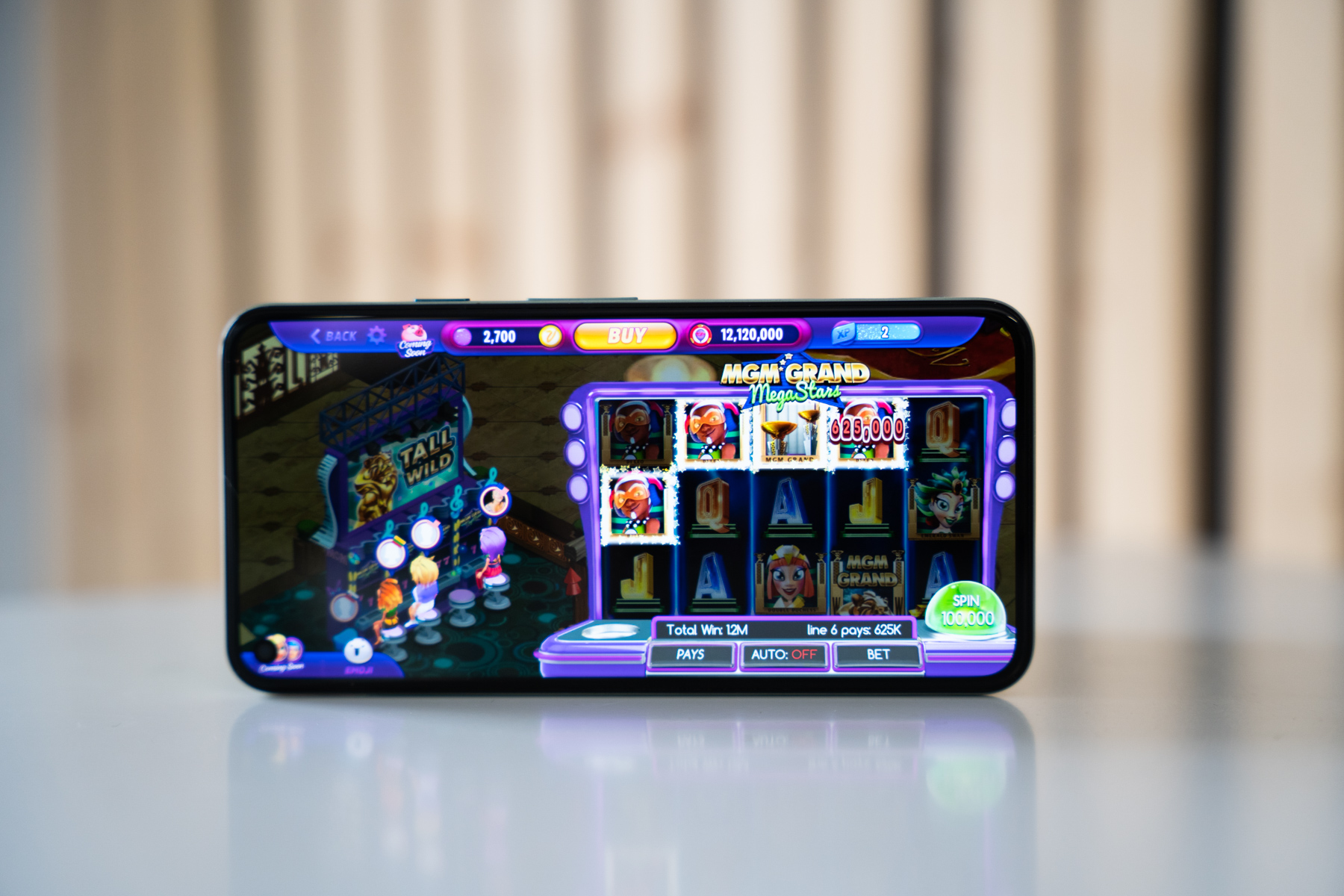
The only small inconvenience I experienced was that a few of older slot titles still employed a landscape-only orientation, necessitating me to turn my phone. However, a small icon on those game tiles notified me before I opened them, so I could choose whether to proceed. Battery consumption was reasonable; an hour of slot play used about fifteen percent of my battery, which is comparable to streaming video. The platform never got too hot my device or triggered background apps to close. For a Canadian player who desires a dependable, no-fuss mobile casino that values both data limits and device performance, VipLuck Casino provides a smooth experience that I can endorse without hesitation.
Security Measures I Found on the Mobile Platform
I checked the security indicators that appear when browsing VipLuck Casino on a mobile device. The address bar showed a valid TLS certificate with the padlock icon, and the link used 256-bit encryption throughout my session. I deliberately left the browser idle for ten minutes, and the website promptly logged me out and asked for biometric authentication to resume. That inactivity lock is particularly crucial on a phone that could be left unlocked on a table. I also noticed that the site never saved my full payment data in the browser cache; each transaction needed a new authorization through my bank’s safe gateway.
Two-factor authentication was accessible and needed me less than a minute to enable. I captured a QR code with an authenticator app, and from that point onward, every access from a unfamiliar device demanded a six-digit code. The mobile platform also provided a activity log that I could check, displaying the hardware, IP address, and date of each login. When I accessed from a different city during a travel, the platform sent an instant email notification. These tiers of protection align with what I look for from a authorized platform, and they worked without any glitches on a compact touchscreen.